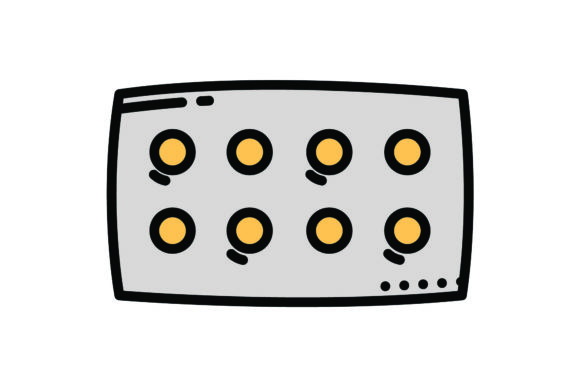
Medicine: A Versatile Embroidery Design for Your Projects
As an experienced designer and embroidery product reviewer, I recently had the chance to evaluate the Medicine design. This medical-themed vector is a promising addition to any embroidery project, especially for those in the healthcare or wellness sector. Let's dive into how it performs and where it can shine.
First Impressions: Clean and Professional
The Medicine design exudes a clean, professional vibe. The layout is well-organized, with a balanced mix of symbols and text that are neither too crowded nor too sparse. The overall mood is one of trust and reliability, making it ideal for projects that need to convey a sense of authority and care.
Real-Life Scenario: Custom Embroidered Tote Bags
Imagine using Medicine on a custom embroidered tote bag for a local health clinic. The design's clarity and simplicity would make it a standout, providing a professional yet approachable look. The tote could be used as a promotional item or a practical gift for patients, enhancing the clinic's brand and patient experience.
Performance in Real Embroidery Situations
Medicine performs admirably in a variety of real embroidery situations. Here’s how it stacks up:
- Custom Apparel: Perfect for sweatshirts, t-shirts, and other casual wear. The design's clear lines and balanced composition make it a great choice for both men's and women's apparel.
- Baby Embroidery: With its gentle, non-threatening theme, Medicine can also be used for baby clothes, adding a touch of professionalism and care to onesies and bibs.
- Patch Designs: The design's clean lines and well-defined shapes make it an excellent candidate for embroidered patches, which can be used on uniforms, bags, or as standalone collectibles.
- Holiday and Personalized Gifts: For holiday gifts or personalized items, Medicine can add a unique and thoughtful touch, especially for those in the medical field.
Where to Use Medicine Carefully
While Medicine is versatile, there are some areas where extra caution is needed:
- Small Hoop Sizes: The detailed elements might not translate well in very small sizes, so test it on scrap fabric first to ensure clarity.
- Textured Fabrics: Textured fabrics can sometimes distort the fine details, so choose smooth, stable fabrics for the best results.
- Stretchy and Thin Fabrics: These materials can be challenging due to their flexibility and potential for distortion. Use a stabilizer and consider reducing stitch density if necessary.
- Dark Fabrics: Ensure thread colors have good contrast against dark backgrounds to maintain visibility and impact.
- Curved Surfaces (e.g., Caps): The design's straight lines and symmetrical elements may require adjustments for curved surfaces. Test on a similar shape before finalizing.
Visual Appeal and Customer Trust
Medicine enhances the visual appeal of any project with its clean, professional appearance. It adds a layer of trust and reliability, which is crucial for handmade products, especially in the healthcare and wellness sectors. Customers will appreciate the attention to detail and the thoughtful design, making it a valuable asset for your craft business or Etsy shop.
Practical Embroidery Designer Notes
Here are some practical tips for using Medicine effectively:
- Test on Scrap Fabric: Always start with a test run on scrap fabric to check the design's performance and make any necessary adjustments.
- Thread Color Contrast: Choose thread colors that provide good contrast against the fabric, especially on dark backgrounds.
- Stitch Density: Review the stitch density to ensure it's appropriate for the fabric and project. Adjust if needed to prevent puckering or excessive bulk.
- Hoop Size: Confirm the hoop size required for the design and make sure it fits your machine and project needs.
- Small Details: Inspect the small details closely, particularly in smaller sizes, to ensure they remain clear and defined.
- Black and White Mockups: Test the design in black and white mockups to see how it holds up without color, which can be useful for certain projects.
- Light and Dark Backgrounds: Compare the design on light and dark fabric backgrounds to see how it looks in different settings.
- Proper Stabilizer: Use the right type of stabilizer for your fabric and project to ensure the best possible outcome.
- Licensing: Before selling finished items or digital embroidery files, confirm the licensing terms to ensure you are compliant with usage rights.
In conclusion, Medicine is a well-crafted and versatile embroidery design that can elevate a wide range of projects. Whether you’re creating custom apparel, personalized gifts, or commercial embroidery assets, this design offers a professional and trustworthy look. Just remember to test and adjust as needed to ensure the best results for your specific use case.